
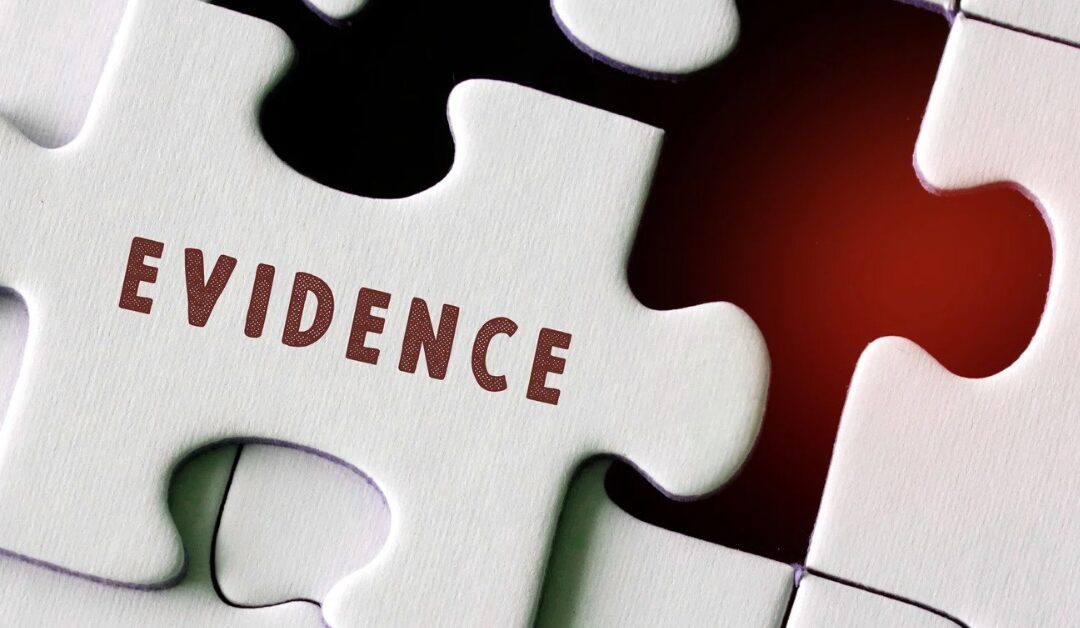
The Evidence Gap: Why Experienced Professionals Still Fail Interviews
Even the most seasoned professionals, with years of achievements and leadership experience, sometimes walk out of an interview feeling puzzled and frustrated. They know their track record speaks for itself, yet interviewers aren’t convinced.
This phenomenon isn’t about your skills or knowledge, it’s about the evidence you present during the interview. In interviews, particularly for senior roles, evidence is the currency that translates experience into credibility. Without it, even an impressive CV can fall flat. Understanding why this “evidence gap” exists and how to bridge it can make the difference between a missed opportunity and a career-defining role.
1. Understanding the Evidence Gap
The “evidence gap” occurs when a candidate knows the answer in theory but struggles to demonstrate it with concrete examples. Experienced professionals often assume their accomplishments are self-evident, forgetting that interviewers cannot read their minds. Statements like “I led a major project” or “I improved team performance” are not enough on their own. Interviewers are looking for proof, specific situations, actions taken, and measurable outcomes.
Without evidence, your experience may appear vague, leaving room for doubt. Recognising this gap is the first step to closing it. As management consultant Peter Drucker once said, “What gets measured gets managed.” The same applies to interviews: measurable examples get results.
2. Why Experience Alone Isn’t Enough
Experience is undoubtedly valuable, but interviews are not CV reviews. They are assessments of competence under scrutiny. Even a 20-year veteran must demonstrate how they think, act, and deliver results in situations similar to those they will face in the new role. Relying solely on job titles and achievements can backfire.
Senior professionals often fall into the trap of talking in generalities or assuming that the interviewer “already knows” their capabilities. This creates a disconnect between what they know and what the interviewer sees. Closing this disconnect requires translating experience into structured, evidence-backed stories that are clear, concise, and compelling.
3. Common Pitfalls Experienced Professionals Face
Several common pitfalls contribute to the evidence gap. One is overconfidence: assuming expertise will automatically convey credibility. Another is under-preparation: relying on instinct rather than systematically mapping experience to the role’s requirements. Some professionals struggle with articulation, unable to condense complex projects into digestible narratives.
Others omit measurable outcomes, leaving accomplishments abstract. Finally, there’s the assumption that soft skills, like leadership or influencing, don’t need evidence. In reality, interviewers expect tangible proof of both technical and interpersonal competence. Recognising these pitfalls is crucial to creating a strategy that showcases experience effectively.
4. Bridging the Evidence Gap
Bridging the evidence gap is about preparation, structure, and reflection. Start by reviewing the job description and aligning your achievements with the competencies required. Use the STAR method (Situation, Task, Action, Result) to structure answers, ensuring each story demonstrates clear outcomes. Quantify your impact wherever possible i.e. numbers, percentages, and timelines give credibility.
Also, prepare examples that highlight leadership, problem-solving, and adaptability. Practising storytelling with peers or a coach can help refine delivery, making your evidence both persuasive and memorable. By actively preparing to provide proof, you transform your experience from abstract to compelling.
5. Turning Experience into Interview Success
The most successful candidates don’t just have experience. They communicate with precision. They anticipate questions, articulate their impact, and provide evidence that reassures interviewers. Small shifts in preparation can dramatically improve outcomes. Reflect on your career highlights, select stories that showcase your strengths, and rehearse them until they feel natural.
Remember, interviews are as much about perception as reality; evidence makes your achievements tangible. Closing the evidence gap not only boosts confidence but signals professionalism and self-awareness to prospective employers.
Conclusion
The irony for experienced professionals is that years of accomplishment can sometimes hinder interview performance if evidence isn’t presented effectively. Closing the evidence gap transforms experience into credibility, turning potential into tangible proof. The good news is that with deliberate preparation and structured storytelling, any candidate can bridge this gap.
Start today by reviewing your achievements through an evidence-focused lens, and practice articulating them with clarity. Your next interview can be the one where your experience truly shines.
If you’re an experienced professional ready to close the evidence gap, consider scheduling a coaching session to refine your interview stories and ensure every achievement is interview-ready. Your experience deserves to be seen and believed.


Recent Comments